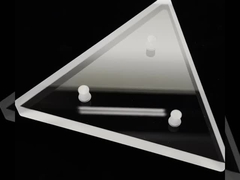
Récapitulatif: Découvrez des tiges polycapillaires en verre sur mesure conçues comme colonnes de séparation pour la chromatographie liquide et gazeuse. Ces tiges comportent des canaux parallèles aux dimensions constantes, garantissant des performances stables à haute température et dans des environnements chimiques difficiles. Idéal pour les applications haute pression jusqu'à 200 Bar et températures supérieures à 100°C. Conceptions personnalisées disponibles sur demande. Renseignez-vous maintenant !
Caractéristiques Du Produit Connexes:
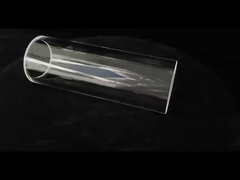
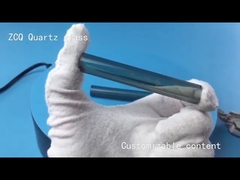
Custom glass polycapillary rods with parallel, isolated channels for precise chromatography separation.
Consistent channel dimensions ensure reliable performance in liquid and gas chromatography applications.
Stable mechanical properties in high-temperature environments and acidic or alkaline conditions.
Withstands gas pressure up to 200 Bar without compromising design integrity.
Operates effectively at temperatures higher than 100°C for demanding chromatography processes.
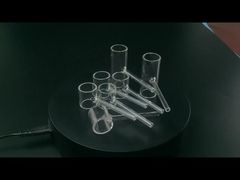
Customizable designs tailored to meet specific customer requirements and applications.
Ideal for both liquid and gas chromatography, offering versatility in laboratory settings.
Durable construction ensures long-term performance in rigorous industrial and research environments.
Les questions:
What are the key advantages of using glass polycapillary rods in chromatography?
Glass polycapillary rods offer consistent channel dimensions, stable performance in high temperatures and harsh chemical environments, and the ability to withstand pressures up to 200 Bar, making them ideal for precise chromatography separation.
Can these rods be customized for specific applications?
Yes, we accept custom design production to meet your specific requirements, ensuring the rods are tailored for your unique liquid or gas chromatography needs.
What temperature and pressure ranges can these rods handle?
These rods maintain their design integrity under gas pressures up to 200 Bar and can operate effectively at temperatures exceeding 100°C, making them suitable for demanding chromatography processes.